
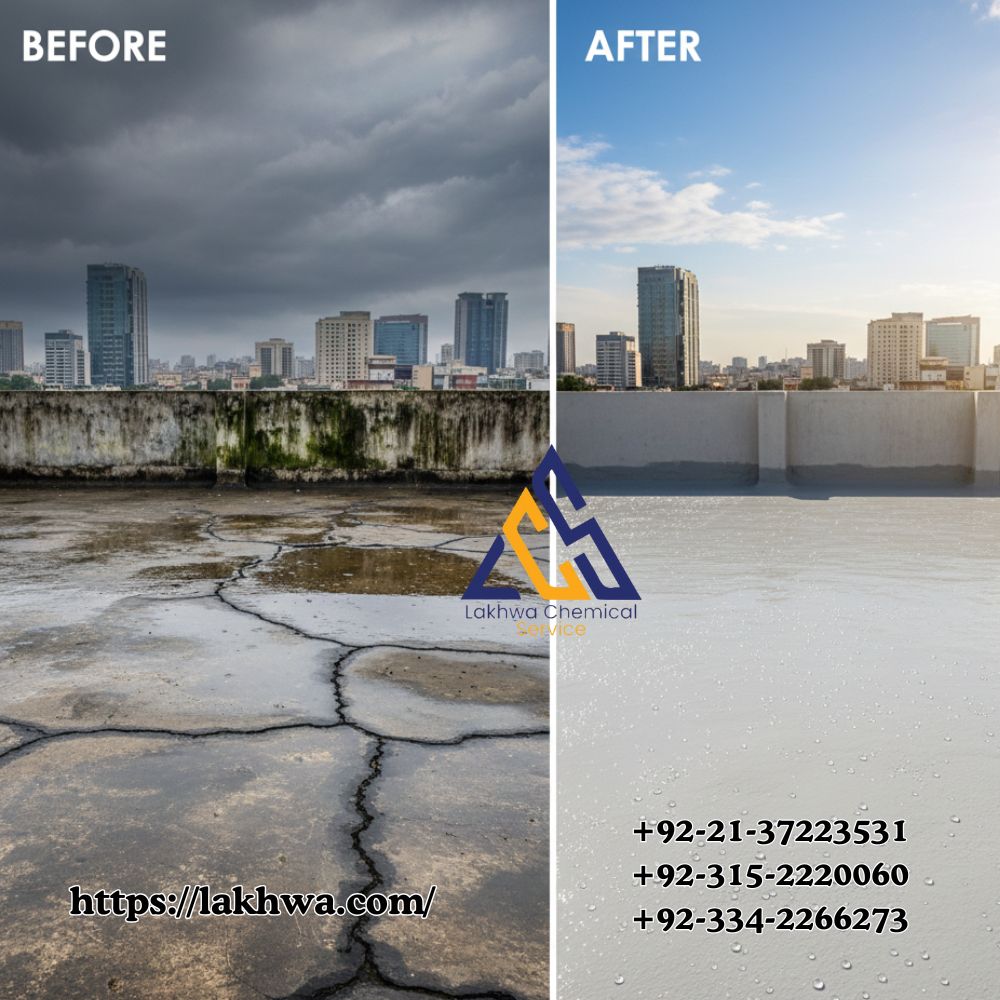
Why Is Roof Waterproofing Essential for Buildings in Pakistan?
Roofing is one of the most critical aspects of any building. In Pakistan, with its diverse climate—from scorching summers to heavy monsoon rains—roofs face constant exposure to harsh weather. Without proper protection, roofs can develop cracks, leaks, and structural damage. This makes roof waterproofing not just an option, but an essential step in preserving the longevity and safety of buildings.
Understanding Roof Waterproofing
Roof waterproofing involves applying protective layers or chemical coatings to a roof to prevent water penetration. These coatings create a barrier that stops rainwater, humidity, and other forms of moisture from entering the building. Waterproofing also protects against UV damage, thermal expansion, and other environmental factors that can weaken roofing materials over time.
In Pakistan, where monsoon rains are particularly intense and summers can reach extreme temperatures, waterproofing becomes critical. A properly waterproofed roof ensures that both residential and commercial buildings remain safe, dry, and durable for years.
Common Roof Problems Without Waterproofing
Buildings in Pakistan often face the following issues when roofs are left unprotected:
-
Leaks and Dampness: Water can seep through cracks and joints, leading to damp ceilings, walls, and interiors.
-
Structural Damage: Persistent water penetration can weaken concrete, bricks, and metal reinforcements, reducing the roof’s strength.
-
Mold and Mildew Growth: Moist environments encourage mold, which not only damages interiors but can also cause health problems.
-
Thermal Damage: Roofs exposed to extreme sun can develop cracks or degrade faster without protective coatings.
-
High Maintenance Costs: Frequent repairs due to leaks or water damage can become expensive over time.
Why Roof Waterproofing Is Essential in Pakistan
1. Protection from Monsoon Rains
During the monsoon season, heavy rain can quickly penetrate unprotected roofs, causing leaks and water pooling. Waterproofing creates a seamless barrier, ensuring that water does not enter the building, keeping interiors dry and safe.
2. Increased Roof Lifespan
Regular exposure to sun, rain, and pollution can wear down roofing materials. Waterproofing acts as a shield, reducing wear and tear and extending the life of the roof. This is especially important in urban areas like Karachi, Lahore, and Islamabad, where weather conditions are harsh and pollution levels are high.
3. Energy Efficiency
Waterproof coatings can reflect sunlight and reduce heat absorption, helping maintain cooler indoor temperatures. This lowers energy costs by reducing the load on air conditioning systems, making buildings more energy-efficient.
4. Prevention of Structural Damage
Moisture penetration can weaken the roof structure over time, affecting beams, concrete, and metal reinforcements. Waterproofing prevents water from seeping in, protecting the structural integrity of the building.
5. Health Benefits
Damp roofs and walls can lead to mold growth, which may cause allergies, respiratory issues, and other health problems. Waterproofing keeps interiors dry and reduces the risk of mold-related health concerns.
How Lakhwa Chemical Services Helps
For buildings across Pakistan, professional waterproofing services are the most reliable way to ensure long-term protection. Lakhwa Chemical Services offers high-quality roof waterproofing solutions tailored to Pakistan’s climate and construction needs. Their services include:
-
Surface Preparation: Cleaning and preparing the roof surface to ensure proper adhesion of waterproof coatings.
-
High-Quality Waterproofing: Application of chemical coatings that penetrate and seal the roof surface.
-
Expert Inspection and Maintenance: Identifying weak spots, cracks, or areas prone to leakage and providing targeted solutions.
-
Long-Lasting Protection: Ensuring the roof withstands rain, heat, and humidity for years without frequent maintenance.
By using advanced techniques and premium materials, Lakhwa Chemical Services ensures that roofs remain safe, dry, and durable even under Pakistan’s extreme weather conditions.
Types of Roof Waterproofing Solutions
Different buildings may require different waterproofing methods. Common solutions include:
-
Liquid Membranes: These create a seamless, flexible layer that adapts to cracks and expansion.
-
Bituminous Coatings: Ideal for flat roofs, providing excellent water resistance and UV protection.
-
Acrylic Coatings: Durable and reflective, these coatings help reduce heat absorption.
-
Cementitious Waterproofing: Penetrates concrete surfaces to seal pores and prevent water penetration.
Professional services like Lakhwa Chemical Services assess the building and recommend the best solution based on roof type, climate exposure, and budget.
Tips for Maintaining a Waterproofed Roof
Even after applying waterproofing, regular maintenance is important:
-
Inspect the roof every six months and after heavy rainfall.
-
Clear debris, leaves, and blocked drains to prevent water pooling.
-
Repair minor cracks or damage promptly to avoid leaks.
-
Reapply waterproof coatings as recommended by professionals to maintain protection.
Conclusion
Roof waterproofing is essential for buildings in Pakistan to protect against water damage, structural weakening, and heat exposure. It not only extends the lifespan of the roof but also improves energy efficiency, reduces maintenance costs, and safeguards the health of occupants.
Partnering with experienced providers like Lakhwa Chemical Services ensures high-quality, long-lasting waterproofing solutions tailored to Pakistan’s climate. Investing in roof waterproofing today secures your building against weather-related damage and guarantees peace of mind for years to come.
Faqs
1. What is roof waterproofing?
Roof waterproofing is the process of applying protective coatings or membranes to prevent water penetration and damage to buildings.
2. Why is roof waterproofing important in Pakistan?
Pakistan’s extreme heat, heavy monsoon rains, and humidity can damage roofs. Waterproofing protects against leaks, structural weakening, and mold.
3. How long does roof waterproofing last?
With high-quality products and proper maintenance, waterproofing can last 5–10 years or more, depending on climate and roof type.
4. Which materials are used for roof waterproofing?
Common materials include liquid membranes, bituminous coatings, acrylic coatings, and cementitious waterproofing solutions.
5. Can waterproofing reduce energy costs?
Yes, reflective coatings can reduce heat absorption, keeping buildings cooler and lowering air-conditioning costs.
6. Who provides professional waterproofing services in Pakistan?
Reliable companies like Lakhwa Chemical Services offer expert waterproofing, maintenance, and inspection tailored to Pakistan’s climate.


Leave a Reply
Want to join the discussion?Feel free to contribute!