
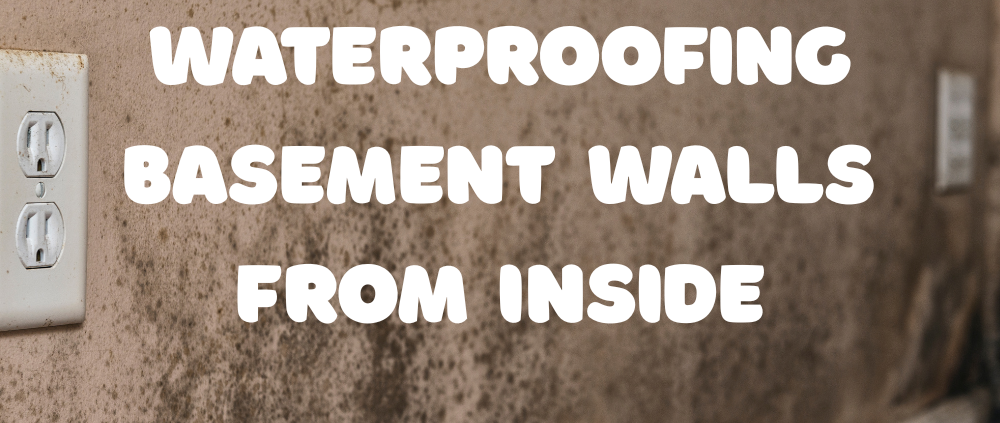
A damp or leaky basement can create more than just an inconvenience—it can lead to mold growth, structural issues, and reduced property value. Homeowners often look for reliable ways to keep their basements dry, and Waterproofing Basement Walls from Inside is one of the most effective solutions. Companies like Lakhwa Chemical Services specialize in basement waterproofing, offering long-lasting methods to protect your home from water damage.
Best Interior Waterproofing Methods
There are several proven techniques to waterproof basement walls from the inside. The right approach depends on the severity of the moisture problem and the budget.
- Epoxy and Polyurethane Injections: Ideal for sealing cracks that allow water seepage. These materials bond tightly to concrete and prevent future leaks.
- Waterproof Coatings: A thick waterproof coating can be applied directly to interior walls, creating a barrier against moisture.
- Interior Drainage Systems: These are installed to redirect water to a sump pump system, ensuring water doesn’t pool inside.
- Sealants and Membranes: Elastomeric sealants and vapor barriers prevent water vapor from seeping through walls.
Professionals like Lakhwa Chemical Services often combine these methods to deliver a comprehensive waterproofing system tailored to each basement.
Interior Drainage Systems and Sump Pumps
An interior drainage system is one of the most effective ways to manage basement water issues. It typically includes:
- French Drains: A channel built around the perimeter of the basement floor to capture water.
- Drainage Tiles: Perforated pipes installed beneath the basement floor slab that redirect water to a sump pump.
- Sump Pumps: These pumps collect water from the drainage system and expel it outside, away from the foundation.
A well-designed drainage system ensures that water never accumulates inside the basement. Lakhwa Chemical Services can install customized sump pump solutions that match the needs of your property, ensuring long-term protection.
Waterproof Paints and Sealants for Basements
Waterproof paints and sealants are cost-effective solutions for minor seepage problems. They are easy to apply and provide a moisture-resistant layer on interior walls.
- Waterproof Paints: These paints are specially formulated to resist water penetration. They work well for damp walls but are not a fix for active leaks.
- Sealants: Clear or elastomeric sealants can be applied over cracks and porous surfaces, offering flexibility and durability.
While these products are helpful for smaller issues, they may not provide a permanent fix if your basement suffers from heavy water intrusion. That’s why professional guidance from companies like Lakhwa Chemical Services is invaluable.
Pros and Cons of Interior Basement Waterproofing
Like any home improvement solution, interior basement waterproofing has its advantages and drawbacks.
Pros:
- More affordable than exterior waterproofing.
- Less invasive; no need for major excavation.
- Can be installed quickly with minimal disruption.
- Effective for managing minor to moderate water issues.
Cons:
- Doesn’t address the root cause of water outside the foundation.
- May require ongoing maintenance, especially sump pumps.
- Not as effective for severe foundation drainage problems.
For many homeowners, the benefits outweigh the drawbacks, especially when handled by professionals like Lakhwa Chemical Services who ensure the system is properly designed and installed.
Signs Your Basement Needs Interior Waterproofing
It’s important to spot the early signs of water problems in your basement. Here are some common indicators:
- Musty Odor: A persistent damp smell is often the first warning sign of water intrusion.
- Efflorescence: White, powdery deposits on the walls caused by water seeping through concrete.
- Damp Spots or Water Stains: Indicate consistent moisture presence.
- Cracks in Walls or Floors: These can act as entry points for water.
- Mold or Mildew Growth: Dangerous to both health and property, requiring immediate action.
- Peeling Paint or Wallpaper: A sign that water is moving through basement walls.
If you notice any of these symptoms, it’s time to consider interior waterproofing. Lakhwa Chemical Services can assess the situation and recommend the right solutions.
Interior Waterproofing vs Exterior Waterproofing
Both interior and exterior waterproofing have their place, and understanding the differences can help you make an informed decision.
- Interior Waterproofing:
- Focuses on managing water that has already penetrated the walls.
- Less costly and quicker to install.
- Effective for basements with minor to moderate seepage.
- Exterior Waterproofing:
- Addresses water at its source by preventing it from reaching basement walls.
- Requires excavation around the home’s foundation.
- More expensive but provides a long-term solution for severe water problems.
Often, a combination of both approaches yields the best results. Professionals like Lakhwa Chemical Services can evaluate your home’s needs and suggest whether an interior, exterior, or hybrid system is the best fit.
Waterproofing your basement walls from the inside is an effective way to keep your living space dry, safe, and free of mold. From epoxy injections and sealants to sump pumps and drainage systems, there are multiple solutions available depending on the severity of the problem. While DIY options exist, professional services like those offered by Lakhwa Chemical Services provide lasting results and peace of mind. The key is to act early—before minor water problems turn into major structural concerns.
Frequently Ask Questions
1. What is interior basement waterproofing?
Interior waterproofing involves sealing walls, installing drainage systems, and using sump pumps to control and manage water that enters the basement.
2. How do I know if my basement needs interior waterproofing?
Signs include damp walls, musty odors, efflorescence, water stains, mold growth, and peeling paint. These are indicators of moisture intrusion.
3. Are waterproof paints enough to keep basements dry?
Waterproof paints and sealants work for minor dampness but are not a long-term fix for active leaks or heavy water intrusion.
4. What’s the difference between interior and exterior waterproofing?
Interior waterproofing manages water after it enters, while exterior waterproofing prevents water from reaching the walls in the first place.
5. How much does interior waterproofing cost?
Costs vary depending on the method: sealants are inexpensive, while interior drainage systems and sump pump installations cost more but offer lasting protection.
6. Can I do basement waterproofing myself?
DIY sealants can help with small issues, but for long-term solutions like drainage systems or sump pumps, it’s best to hire experts such as Lakhwa Chemical Services.